You are using an out of date browser. It may not display this or other websites correctly.
You should upgrade or use an alternative browser.
You should upgrade or use an alternative browser.
Old Salsa Photos Thread
- Thread starter AguaDulce
- Start date

Richie Blondet
Son Montuno
I wasn't correcting you directly. The notion that it's the "first" opera revolved around Afro-Cuban music is a decades-old talking point for the Fania industrial complex.
Juan Moreno, the author of that piece, is conveying propaganda in his liners for "Hommy." He knows the score but he's fulfilling his personal duty out of respect to Harlow and the company who owns the catalog. Larry knew that "Salsa" was being perceived as a New music way back when. So what better way to benefit from that early '70s perception by a segment of that generation than to produce the equivalent of a "Rock Opera," which were mainstream popular in those days ("Jesus Christ Superstar," "Hair," "The Rise and Fall of Ziggy Stardust and the Spiders from Mars," etc) and promote it as a "Salsa Opera?" Despite what those liners indicate, "Hommy" was a concept LP that did not become a 'norm' within the "Salsa" industry. The closest thing to it was Larry's own "La Raza Latina," and Ruben Blades' 1981 "Maestra Vida Vol. I & II."
"Hommy" was basically a modern rendition of what was known as "Bufos Cubano." Derived from the Spanish zarzuela tradition. Which was musical comedy. But often times such works would revolve around social issues of the day. And be quite dramatic. Just like "Tommy" or the later "Rocky Horror Picture Show." Which conveyed a message, albeit in a satirical and mayhap zany or stereotypical manner, to poke fun at its absurdity. In "Hommy," which is pronounced "Omi," a Yoruban word meaning "water" that is associated with sea/ocean/river deities that comprise the religion, the title was intentionally spelled "Hommy" to capitalize off of the mega success of The Who's "Tommy." It's a typical recording industry practice. When the 30th anniversary of the Beatles was celebrated in the 1990s with a CD reissue Mega pack of songs that revived some of their music, RMM Records followed that up with "A Tropical Tribute to the Beatles." Arranging Beatles material into "Salsa" styled songs. Same thing took place in the aftermath of the murder of Tejana music star Selena Quintanilla, RMM released their "Tributo a Selena," with renditions of her catalog reworked in the Afro-Cuban musical dance tradition by the label's artists. All part of a timeless effort to "crossover." That's what Larry and Fania were doing. As a Santo in the religion, Larry knew "Omi" wasn't going to penetrate a mass consciousness of popular music consumers. But "Hommy" could evoke "Tommy" and potentially have sprinkles of interested parties of that market spill into the Afro-Cuban dance market coming out of New York at the time. Generally Alvarez's narration is the Afro-Puertorican twist to the spirit of the 'Bufo' tradition in "Hommy." As he invoked use of the 'Verso Negro' spoken word tradition in his speech expression ("Mi negro omi, mi negro omi"). Albeit too being nothing ground breaking as Geny was continuing the tradition of Juan Boria. Or Afro Cuban artists like Alberto O'Farrill. There is always something or someone that comes before.
This claim is certainly not accurate at all. It does a disservice to the legacy of the culture and causes erasure of historical precedent. I love Larry but there are other ways to give him his props. Prestigious performance halls in the U.S., U.K., France, Japan, Australia, Canada, Mexico, South & Central America, Caribbean and in the African nation of the Congo, have long had doors opened to Musica Afro-Antillana. Cuban Popular dance music in particular. Going back to the 1930s. Again, "Hommy" is part of a longer legacy that made the "Salsa" era a beneficiary, and not a pioneering movement that created a 'new' market. It's the same market, albeit with a new generation of consumers.
Juan Moreno, the author of that piece, is conveying propaganda in his liners for "Hommy." He knows the score but he's fulfilling his personal duty out of respect to Harlow and the company who owns the catalog. Larry knew that "Salsa" was being perceived as a New music way back when. So what better way to benefit from that early '70s perception by a segment of that generation than to produce the equivalent of a "Rock Opera," which were mainstream popular in those days ("Jesus Christ Superstar," "Hair," "The Rise and Fall of Ziggy Stardust and the Spiders from Mars," etc) and promote it as a "Salsa Opera?" Despite what those liners indicate, "Hommy" was a concept LP that did not become a 'norm' within the "Salsa" industry. The closest thing to it was Larry's own "La Raza Latina," and Ruben Blades' 1981 "Maestra Vida Vol. I & II."
"Hommy" was basically a modern rendition of what was known as "Bufos Cubano." Derived from the Spanish zarzuela tradition. Which was musical comedy. But often times such works would revolve around social issues of the day. And be quite dramatic. Just like "Tommy" or the later "Rocky Horror Picture Show." Which conveyed a message, albeit in a satirical and mayhap zany or stereotypical manner, to poke fun at its absurdity. In "Hommy," which is pronounced "Omi," a Yoruban word meaning "water" that is associated with sea/ocean/river deities that comprise the religion, the title was intentionally spelled "Hommy" to capitalize off of the mega success of The Who's "Tommy." It's a typical recording industry practice. When the 30th anniversary of the Beatles was celebrated in the 1990s with a CD reissue Mega pack of songs that revived some of their music, RMM Records followed that up with "A Tropical Tribute to the Beatles." Arranging Beatles material into "Salsa" styled songs. Same thing took place in the aftermath of the murder of Tejana music star Selena Quintanilla, RMM released their "Tributo a Selena," with renditions of her catalog reworked in the Afro-Cuban musical dance tradition by the label's artists. All part of a timeless effort to "crossover." That's what Larry and Fania were doing. As a Santo in the religion, Larry knew "Omi" wasn't going to penetrate a mass consciousness of popular music consumers. But "Hommy" could evoke "Tommy" and potentially have sprinkles of interested parties of that market spill into the Afro-Cuban dance market coming out of New York at the time. Generally Alvarez's narration is the Afro-Puertorican twist to the spirit of the 'Bufo' tradition in "Hommy." As he invoked use of the 'Verso Negro' spoken word tradition in his speech expression ("Mi negro omi, mi negro omi"). Albeit too being nothing ground breaking as Geny was continuing the tradition of Juan Boria. Or Afro Cuban artists like Alberto O'Farrill. There is always something or someone that comes before.
this legacy opened the doors for the Afro-Caribbean musical tradition to enter the most prestigious performance halls in the world.
This claim is certainly not accurate at all. It does a disservice to the legacy of the culture and causes erasure of historical precedent. I love Larry but there are other ways to give him his props. Prestigious performance halls in the U.S., U.K., France, Japan, Australia, Canada, Mexico, South & Central America, Caribbean and in the African nation of the Congo, have long had doors opened to Musica Afro-Antillana. Cuban Popular dance music in particular. Going back to the 1930s. Again, "Hommy" is part of a longer legacy that made the "Salsa" era a beneficiary, and not a pioneering movement that created a 'new' market. It's the same market, albeit with a new generation of consumers.
Richie Blondet
Son Montuno
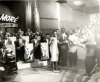
This concert took place at Shea stadium in Queens, NY during the 1972 season. One year prior (1973) to the Fania All-Stars and others were scheduled to perform at Yankee Stadium (the FAS concert segment was incomplete after members of the audience rushed the field during the Ray Barretto/Mongo Santamaria percussion duel and began to tear up the grass, grab sound equipment, jumped on stage, etc). The concert at Shea stadium was filmed by a professional film crew from Paramount Pictures (producers of "Love Story, and "The Godfather.")
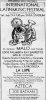
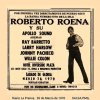
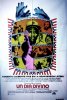
On December 31st, New Years Eve 1972, while on a humanitarian mission to transport supplies to Nicaragua, the plane Clemente was a passenger on crashed, killing him instantly. In January of 1973, Paramount Pictures announced the release of the concert footage into a full length film that was entitled "Un Dia Divino" (or "A Great Day"). Producers added that the concert would be dedicated to the recently departed Roberto Clemente. Here is the movie poster for the theatrical film release:
Take note that the Fania public relations machine have promoted, and continue to promote, "FAS Live at Yankee Stadium" as a historic event without precedent. When "Latin Music" first opened doors into an arena that fit over 35,000+.
Not only does the Shea stadium concert dispel that myth, but the Shea Stadium concert itself is not the first time Afro-Cuban dance music was presented inside of a major league baseball stadium in the U.S. That legacy precedes both the Dia Divino concert @ Shea, and the FAS live @ Yankee Stadium (pre-empted) concert by decades.
On December 31st, New Years Eve 1972, while on a humanitarian mission to transport supplies to Nicaragua, the plane Clemente was a passenger on crashed, killing him instantly. In January of 1973, Paramount Pictures announced the release of the concert footage into a full length film that was entitled "Un Dia Divino" (or "A Great Day"). Producers added that the concert would be dedicated to the recently departed Roberto Clemente. Here is the movie poster for the theatrical film release:
Take note that the Fania public relations machine have promoted, and continue to promote, "FAS Live at Yankee Stadium" as a historic event without precedent. When "Latin Music" first opened doors into an arena that fit over 35,000+.
Not only does the Shea stadium concert dispel that myth, but the Shea Stadium concert itself is not the first time Afro-Cuban dance music was presented inside of a major league baseball stadium in the U.S. That legacy precedes both the Dia Divino concert @ Shea, and the FAS live @ Yankee Stadium (pre-empted) concert by decades.
Richie Blondet
Son Montuno
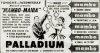
ca. 1955
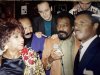
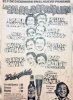
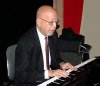
Charanga 76 was formed on this day April 14, 1976...
The Charanga 76 was formed in Union City, New Jersey, and made its debut at Liberty Park on July 4, 1976, hired by the Cuban Cultural Center in New York to celebrate the 200th anniversary of the declaration of independence of the United States. Simultaneously in 1976, "La Charanga 76" released their first LP which included their hit "Soy" (a ballad by Willy Chirino). At present, "La Charanga 76" is still going strong and maintains its national and international popularity. The band presents itself as a special attraction at major concerts and events.
Founding members:
Andrea Brachfeld
Danny Gonzalez
Enrique Orengo
Felipe "Pipo" Martinez
Hansel Martinez
Joe "Daddy" Boine
Joseph Sherman
Julius Romero
Ronnie Baro (This one then replaced by Raul Alfonso)
Gilbert "Octopus" Colon.
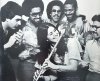
The Charanga 76 was formed in Union City, New Jersey, and made its debut at Liberty Park on July 4, 1976, hired by the Cuban Cultural Center in New York to celebrate the 200th anniversary of the declaration of independence of the United States. Simultaneously in 1976, "La Charanga 76" released their first LP which included their hit "Soy" (a ballad by Willy Chirino). At present, "La Charanga 76" is still going strong and maintains its national and international popularity. The band presents itself as a special attraction at major concerts and events.
Founding members:
Andrea Brachfeld
Danny Gonzalez
Enrique Orengo
Felipe "Pipo" Martinez
Hansel Martinez
Joe "Daddy" Boine
Joseph Sherman
Julius Romero
Ronnie Baro (This one then replaced by Raul Alfonso)
Gilbert "Octopus" Colon.
Hansel Enrique Martinez "Hansel Martinez" was born on this day April 14 in the province of Camagüey, Cuba. His career began in 1976 in New York with the famed Charanga 76' as the lead singer and co-founder of the band. CHARANGA '76 made her mark. They made their flute and violin music known worldwide for stages throughout the Caribbean, South America, Central America and Africa, as well as all of America’s major populated cities in the U.S. U.S. In 1980, Hansel and Raúl decided to leave the band and that's when the most famous, dynamic and charismatic duo in the history of tropical music was born Hansel and Raul.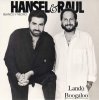
Richie Blondet
Son Montuno
Hansel Enrique Martinez "Hansel Martinez" was born on this day April 14 in the province of Camagüey, Cuba. His career began in 1976 in New York with the famed Charanga 76' as the lead singer and co-founder of the band. CHARANGA '76 made her mark. They made their flute and violin music known worldwide for stages throughout the Caribbean, South America, Central America and Africa, as well as all of America’s major populated cities in the U.S. U.S. In 1980, Hansel and Raúl decided to leave the band and that's when the most famous, dynamic and charismatic duo in the history of tropical music was born Hansel and Raul.View attachment 4176
Abbott & Costello.