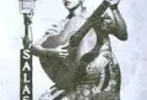
María Teresa Vera began her musical journey in 1911 and quickly became known in bohemian and "trova" circles. Encouraged by the renowned singer Manuel Corona to learn guitar, she formed a legendary duo with Rafael Zequeira, recording nearly 200 songs between 1914 and 1924, including hits like "A llorar a Papá Montero." In the mid-1920s, she founded the iconic Sexteto Occidente alongside Ignacio Piñeiro, playing a central role in shaping the “son a la habanera” style, which became highly popular.
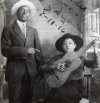
After a brief hiatus for spiritual pursuits, Vera returned to music, forming a duo with Lorenzo Hierrezuelo that lasted over 25 years. Her influence continued to grow, and by the 1960s, she was celebrated as one of the pioneering voices of Cuban "trova." Her famous song Veinte años remains a timeless classic, covered by many of Cuba's greatest artists. How do you think the Afro-Cuban influence shaped her style and legacy in Cuban music?
After a brief hiatus for spiritual pursuits, Vera returned to music, forming a duo with Lorenzo Hierrezuelo that lasted over 25 years. Her influence continued to grow, and by the 1960s, she was celebrated as one of the pioneering voices of Cuban "trova." Her famous song Veinte años remains a timeless classic, covered by many of Cuba's greatest artists. How do you think the Afro-Cuban influence shaped her style and legacy in Cuban music?